 Consultation
now
Consultation
now



-
Arishtas & Asavaas
-
Wellness
-
Food Supplements
-
Choornam
-
Combo Pack








My Cart (0)




Ayurveda Wound Healing with Jathyadi Ghrutham Ointment: A Traditional Approach to Chronic Wounds
12 January 2026
Wounds are more than just physical injuries—they can become long-term health concerns when healing is delayed. Conditions such as chronic ulcers, pilonidal sinus wounds, hemorrhoids, fistula, burns, and fissures often require specialized care beyond routine treatment. Ayurveda wound healing offers a time-tested, holistic system that focuses on cleansing, tissue regeneration, and long-term wound stability rather than temporary relief.
Ayurveda, India’s ancient system of medicine, has described wound care (Vrana Chikitsa) in detail for centuries. Through herbal formulations, external applications, and lifestyle guidance, Ayurveda addresses the root causes of delayed healing while supporting the body’s natural repair mechanisms.
Understanding Wounds Through the Ayurvedic Lens
In Ayurveda, wounds are classified based on their cause, depth, discharge, and healing behavior. Acute wounds heal quickly with minimal intervention, while chronic or infected wounds—known as Dushta Vrana—require systematic management. These wounds may show persistent discharge, foul smell, pain, or slow tissue regeneration.
According to classical Ayurvedic texts, poor digestion, impaired circulation, inflammation, and imbalance of Vata, Pitta, and Kapha doshas can all interfere with the healing process. Therefore, treatment is never limited to surface application alone. Ayurveda wound healing emphasizes both local wound care and internal balance, ensuring that tissues heal properly and regain strength.
Core Principles of Ayurvedic Wound Management
Ayurvedic wound care follows a structured approach that remains relevant even today:
- Shodhana (Cleansing): Removing debris, infection, and unhealthy tissue
- Ropana (Healing): Supporting regeneration of healthy skin and tissues
- Vedana Sthapana: Reducing pain, burning, and discomfort
- Rakshana: Protecting the wound from further injury or infection
These principles are applied using herbal preparations, medicated oils, ghee-based ointments, and proper wound hygiene.
Conditions That Commonly Benefit from Ayurveda Wound Healing
Many chronic and recurring wounds respond well to Ayurvedic external therapies when used appropriately.
Pilonidal Sinus and Sinus Ulcers
Pilonidal sinus wounds are known for recurrence and prolonged discharge. Ayurvedic wound care focuses on cleansing the sinus tract, reducing inflammation, and supporting gradual healing.
Deep and Chronic Ulcers
Non-healing ulcers often result from long-standing inflammation or poor tissue nutrition. Herbal ointments help maintain moisture balance and promote healthy granulation of tissue.
Hemorrhoids (Piles)
External Ayurvedic applications can help soothe irritation, reduce swelling, and support healing of hemorrhoidal wounds.
Fistula
While medical supervision is essential, Ayurvedic wound care is often used as supportive external management to keep the area clean and comfortable.
Burns and Fissures
For minor burns and fissures, Ayurvedic ointments help calm the skin, reduce burning sensation, and encourage epithelial repair.
Role of External Therapies in Ayurveda Wound Healing
One of the most important aspects of ayurveda wound healing is the use of external herbal formulations. Unlike synthetic products that may dry the wound surface, Ayurvedic ointments are designed to nourish tissues while protecting them.
Ghee-based formulations are especially valued because ghee acts as a carrier, allowing herbal properties to penetrate deeper layers of the skin. These preparations help maintain optimal moisture, reduce irritation, and support natural tissue regeneration.
Jathyadi Ghrutham Ointment in Traditional Wound Care
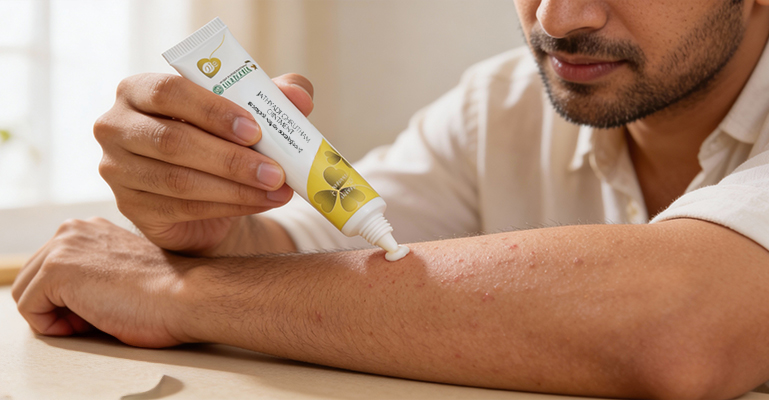
Among classical formulations, Jathyadi Ghrutham Ointment is widely used in Ayurvedic practice for external wound management. It is a medicated ghee preparation infused with herbs traditionally known for their cleansing and healing properties.
The ointment is commonly applied in conditions such as chronic ulcers, pilonidal sinus wounds, fissures, burns, hemorrhoids, and fistula-related wounds. Its gentle action makes it suitable for long-term use under professional guidance, especially where wounds require sustained care rather than aggressive intervention.
Jathyadi Ghrutham Ointment works by supporting wound hygiene, maintaining tissue moisture, and encouraging the formation of healthy skin.
How Ayurvedic Ointments Support Tissue Regeneration
Chronic wounds often fail to heal due to repeated trauma, infection, or dryness. Ayurvedic ointments address these issues through multiple mechanisms:
- Creating a protective layer over the wound
- Supporting controlled healing without excessive scarring
- Reducing pain, burning, and local irritation
- Encouraging gradual tissue strengthening
This supportive approach aligns closely with the philosophy of ayurveda wound healing, which prioritizes long-term tissue health over rapid but unstable closure.
Application and Best Practices
For effective results, Ayurvedic ointments should be used correctly:
- Clean the wound gently before application
- Apply a thin, even layer of the ointment
- Cover with sterile dressing if advised
- Use consistently as directed by a qualified practitioner
Proper hygiene and regular monitoring are essential, especially for chronic wounds.
Why Ayurveda Remains Relevant in Modern Wound Care
Modern lifestyles, sedentary habits, and metabolic disorders have increased the prevalence of non-healing wounds. Ayurveda wound healing remains relevant because it offers a holistic framework that integrates external care with overall health balance.
Benefits include:
- Natural, plant-based formulations
- Support for chronic and recurring wounds
- Focus on prevention of complications
- Time-tested principles with modern applicability
When used responsibly, Ayurveda complements conventional care and supports sustainable healing.
Conclusion
Effective wound care goes beyond surface healing-it requires nourishment, protection, and balance. Ayurveda wound healing provides a comprehensive approach that has stood the test of time. Traditional formulations such as Jathyadi Ghrutham Ointment continue to play a supportive role in managing chronic ulcers, sinus wounds, burns, fissures, hemorrhoids, and fistula-related wounds.
By combining careful external application with holistic principles, Ayurveda, as supported by authentic formulations available through Vaidyaratnam Store, offers a sustainable pathway toward healthier tissue repair and long-term recovery.