 Consultation
now
Consultation
now



-
Arishtas & Asavaas
-
Wellness
-
Food Supplements
-
Choornam
-
Combo Pack








My Cart (0)




Ayurvedic Herbs and Spices for Healthy Life: A Complete Guide
27 January 2026
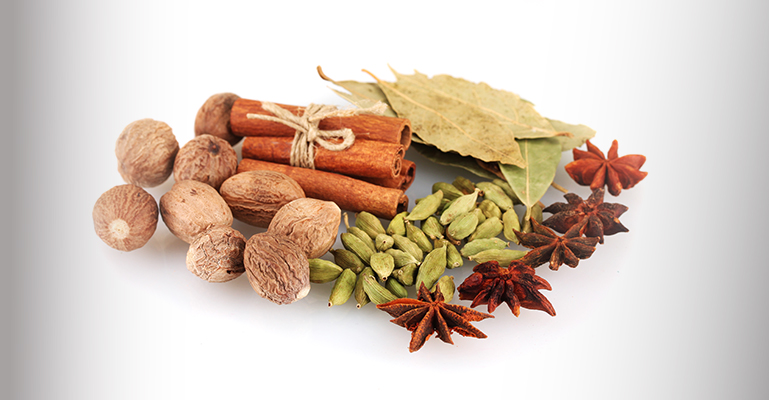
In an era where stress, poor diet, and sedentary habits impact overall wellbeing, natural healing systems are gaining renewed attention. Ayurvedic Herbs and Spices have been trusted for generations to support health in a holistic and sustainable way. Rooted in ancient Indian wisdom, Ayurveda focuses on balance-within the body, mind, and environment-to promote longevity and vitality.
This complete guide explores how Ayurvedic Herbs and Spices contribute to daily wellness, their traditional benefits, and how they can be incorporated into modern lifestyles.
Understanding Ayurveda and Its Holistic Approach
Ayurveda views health as a state of equilibrium among the three doshas-Vata, Pitta, and Kapha. Herbs and spices are chosen based on their ability to restore balance and support natural bodily functions. Unlike quick-fix remedies, Ayurvedic Herbs and Spices work gradually, addressing the root cause rather than just symptoms.
They are widely used in food, herbal preparations, and daily routines to enhance energy, immunity, digestion, and mental clarity.
Commonly Used Ayurvedic Herbs and Their Benefits
Ayurvedic literature describes numerous herbs known for their targeted benefits. Some of the most commonly used ayurvedic herbs include:
Ashwagandha
Ashwagandha is an adaptogenic herb traditionally used to help the body manage physical and mental stress. It supports emotional balance, stamina, and nervous system health. Modern formulations such as Ashwagandha Gummies are often used for stress management in a convenient format.
Brahmi
Brahmi is well known for its role in supporting cognitive functions. It nourishes the brain, improves focus, and supports memory retention. Brahmi Tablets are commonly used as part of daily routines for cognitive support, especially during mentally demanding periods.
Chyavanprasham
Chyavanprasham is a classical Ayurvedic formulation made with a blend of herbs, including amla. It is traditionally consumed to strengthen immunity, support respiratory health, and enhance overall vitality. Chyavanaprasam is often taken daily as a rejuvenative tonic.
Triphala
Triphala is a blend of three fruits-Amalaki, Bibhitaki, and Haritaki-and is widely used for detoxification and digestive balance. Triphala Tablets are commonly included in wellness routines to support gentle cleansing and regularity.
These herbs form an essential part of Ayurvedic Herbs and Spices, offering natural support for everyday health.
Healing Power of Ayurvedic Spices
In Ayurveda, spices are not just culinary enhancers-they are therapeutic agents. Traditional ayurvedic spices such as turmeric, ginger, cumin, coriander, and black pepper help activate digestion, improve metabolism, and support detoxification.
Turmeric and Curcumin
Turmeric is one of the most valued spices in Ayurveda. The health benefits of turmeric are attributed to curcumin, its active compound. Research highlights curcumin benefits such as antioxidant protection and inflammation support, making turmeric a cornerstone of Ayurvedic wellness.
When consumed with black pepper, turmeric’s bioavailability increases, enhancing its effectiveness.
Ayurvedic Support for Heart Health
Ayurveda emphasizes prevention and lifestyle balance, particularly when it comes to cardiovascular wellness. Certain Ayurvedic Herbs and Spices are traditionally regarded as herbs for heart health because they support circulation, metabolic balance, and emotional calm.
Garlic, cinnamon, and arjuna bark are commonly used in Ayurvedic practices to nourish the heart and support healthy cardiovascular function as part of a balanced lifestyle.
Strengthening Digestive Health Naturally
According to Ayurveda, strong digestion is the foundation of good health. Weak digestion leads to toxin accumulation and imbalance. Many herbs and spices are used to enhance digestive health by strengthening digestive fire (Agni).
Ingredients such as ginger, fennel, cumin, and ajwain help relieve bloating, discomfort, and heaviness. Ginger, in particular, is widely used to improve digestion and promote nutrient absorption when included in daily meals or warm infusions.
Incorporating Ayurvedic Herbs and Spices Into Daily Life
Adding Ayurvedic Herbs and Spices to your routine can be simple and sustainable:
- Use turmeric, cumin, and coriander in everyday cooking
- Drink warm water infused with ginger or fennel seeds
- Follow consistent meal timings to support digestion
- Choose herbal formulations that align with your body type
Small, consistent changes lead to lasting health benefits when aligned with Ayurvedic principles.
Safety and Best Practices
Although Ayurvedic Herbs and Spices are natural, mindful usage is essential. Dosage, quality, and individual constitution play a key role. People with existing health conditions or those who are pregnant should consult a qualified Ayurvedic practitioner before starting any herbal routine.
Authenticity and purity of ingredients are crucial for achieving desired results safely.
Conclusion: A Timeless Path to Wellness
A healthy life is built through informed choices and consistent habits. Ayurvedic Herbs and Spices offer a natural framework for maintaining balance in the body by supporting digestion, immunity, mental clarity, and heart health. Their continued relevance highlights the depth and adaptability of Ayurvedic knowledge across generations.
Traditional institutions such as Vaidyaratnam Oushadhasala represent the long-standing practice of classical Ayurveda, preserving herbal knowledge that has been passed down through time. By thoughtfully incorporating Ayurvedic Herbs and Spices into daily routines, individuals can benefit from this ancient wisdom while supporting a balanced and mindful approach to modern living.