 Consultation
now
Consultation
now



-
Arishtas & Asavaas
-
Wellness
-
Food Supplements
-
Choornam
-
Combo Pack








My Cart (0)




Health Benefits of Panchakarma: An Ancient Reset Your Body Actually Needs
24 April 2026
Imagine pressing a reset button on your body, clearing out the toxins you didn't even know were slowing you down, calming a mind that has been running on overdrive, and waking up feeling like yourself again. That's essentially what Panchakarma promises. And for those who have gone through it, that promise often delivers.
Panchakarma is not a spa weekend. It's one of Ayurveda's most complete healing therapies, a structured, personalized detoxification programmed that has been practiced in Kerala and across India for thousands of years. Today, it's attracting serious attention globally, from wellness seekers to people managing chronic conditions who want a natural path back to balance.
What is Panchakarma?
The word Panchakarma comes from Sanskrit, Pancha meaning five and Karma meaning action. It refers to five core therapeutic actions designed to cleanse the body at a deep level, removing what Ayurveda calls ama, accumulated toxins from poor digestion, stress, environmental exposure, and an irregular lifestyle.
In Ayurveda, disease begins when the three doshas (Vata, Pitta, Kapha) go out of balance. Panchakarma works to identify which dosha is imbalanced in your unique constitution and uses targeted therapies to restore harmony, not just symptom by symptom, but at the root.
"Panchakarma doesn't just treat the body. It treats the whole person, their digestion, their sleep, their emotional state, their energy. It's carried out under the guidance of an Ayurvedic physician, typically over 7 to 21 days, and is preceded by preparatory therapies called Poorvakarma, which loosen toxins so they can be properly expelled.
The 5 Core Therapies of Panchakarma
Each of the five therapies targets a different channel in the body, making the treatment far more comprehensive than a single detox method could ever be.
- Vamana (Therapeutic Emesis) Medically guided cleansing through the upper digestive tract, primarily targeting excess Kapha. Often used for respiratory and skin conditions.
- Virechana (Purgation Therapy) Herbal laxative therapy that reduces Pitta-related issues.
- Basti (Medicated Enema) Often called the most powerful of the five, Basti uses herbal oils and decoctions administered rectally to address Vata disorders — including joint pain, neurological issues, and constipation.
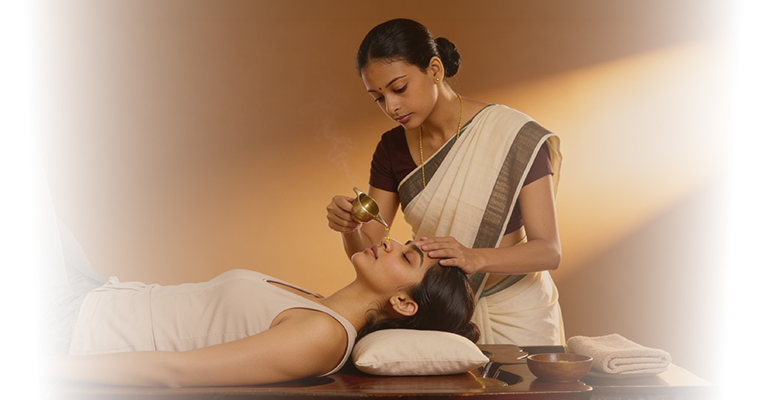
- Nasya (Nasal Administration) Herbal oils or powders delivered through the nasal passage to cleanse the head, neck, and sinuses. Helps with migraines, chronic sinusitis, and mental clarity.
- Raktamokshana (Bloodletting) The least commonly performed today; this therapy involves purifying the blood, typically used for skin disorders and inflammatory conditions.
Your physician will recommend the right combination based on your prakriti (body constitution) and the specific imbalances present. You won't necessarily undergo all five.
Key Health Benefits of Panchakarma
This is where people often get curious. What exactly changes after a proper Panchakarma programme? Here's what practitioners and patients consistently report:
Deep Detoxification - Panchakarma removes accumulated toxins from deep tissues that simple dieting or short-term fasting cannot reach. The process works systematically, drawing impurities from organs and channels, and flushing them out through the body's natural elimination pathways.
Stronger Digestion - The programme reboots the digestive fire, known as Agni in Ayurveda, reducing chronic issues like bloating, acidity, irregular bowel movements, and sluggish metabolism. Many people notice significant improvements in how they tolerate food after completing the therapy.
Joint and Muscle Relief - Basti and the various medicated oil therapies used during Panchakarma are deeply effective for arthritis, joint stiffness, muscle tension, and chronic pain. The oils penetrate the tissues in a way that topical applications simply cannot replicate.
Glowing, Clearer Skin - Clearer skin is one of the most commonly noticed results. When internal toxins are properly flushed out and liver function improves, the skin responds almost immediately. Conditions like psoriasis, eczema, and persistent acne often show considerable improvement.
Better Sleep - Balancing Vata calms the nervous system and reduces the kind of restless, overactive mind that keeps people awake. Deep, uninterrupted sleep becomes much easier to achieve during and after the programme.
Note: Panchakarma is most effective when personalised. The therapies that work for your neighbour may not be the right ones for you — your dosha type, current health status, and even the season all matter.
Who Should Consider Panchakarma?
Panchakarma is suitable for most healthy adults, especially those feeling tired, digestively sluggish, mentally overloaded, or stuck in recurring patterns of illness. It's also traditionally done as a preventive measure, even when you feel relatively well, as a way to clear the slate before health problems have a chance to develop.
However, Panchakarma is not recommended during pregnancy, immediately after surgery, during active fever or infection, or for those in significantly weakened physical states. Always consult a qualified Ayurvedic physician before beginning.
Before You Book: What to Know
A few honest things people aren't always told before they start:
It's not always comfortable. The process of eliminating toxins can bring temporary fatigue, mild nausea, or emotional releases. This is normal, expected, and passes.
Dieting is a big part of it. You'll eat simply throughout, kitchadi, warm soups, light and easily digestible meals. This isn't a restriction; it's what allows the therapies to work properly.
Rest is non-negotiable. This is a healing period, not a holiday. Avoid screens, social events, and intense physical or mental activity during treatment.
Choose an authentic centre. Especially in Kerala, look for centers with qualified Ayurvedic doctors holding a BAMS degree, not simply massage therapists marketing "Panchakarma packages" without medical supervision.
Post-treatment care matters as much as the treatment itself. The dietary and lifestyle guidelines given after Panchakarma are what consolidate and lock in the results. Follow them as seriously as the programme itself.
Frequently Asked Questions
How long does a Panchakarma programme last?
A l course typically lasts 7 to 21 days, depending on your health condition and the therapies prescribed. Shorter 3–5 day introductory programmes exist but are generally considered preparatory rather than a complete Panchakarma.
Is Panchakarma painful?
Most therapies are deeply relaxing rather than painful. Some procedures like Vamana may be uncomfortable in the moment, but experienced practitioners ensure the process is safe and manageable throughout.
How often should one do Panchakarma?
Traditionally, it's recommended seasonally, particularly at the junctions between seasons when the body is most susceptible to imbalance. Many people do it once a year as a preventive measure. Those managing specific conditions may do it more frequently under medical guidance.
Is Panchakarma the same as a spa detox?
No. A spa detox is a commercial wellness experience. Authentic Panchakarma is a medically guided Ayurvedic treatment prescribed and supervised by a qualified physician. The therapies, herbal preparations, and sequencing are clinical decisions, not just relaxation treatments.
Where is the best place to undergo Panchakarma?
Kerala is considered the gold standard for authentic Panchakarma. The monsoon season (June–August) is traditionally regarded as the ideal time, as the cool, humid climate opens the pores and is said to make the body more receptive to the therapies.
Conclusion: Panchakarma Is a Commitment, Not a Quick Fix
Panchakarma asks you something. It asks you to slow down, to eat simply, to step away from the noise, and to trust a system of medicine that has quietly sustained people's health for five thousand years. In return, it offers something that's increasingly rare, a genuine reset, not just of the body, but of the whole rhythm of how you feel.
The results don't always announce themselves dramatically. Often, it's subtle at first, a lightness after meals, a quieter mind at night, joints that move without resistance, skin that looks rested. And then, over the weeks that follow, you notice the cumulative effect of all those small shifts.
If you're based in Kerala or are considering travelling here specifically for Panchakarma, it's worth knowing that the region is home to some of the oldest and most respected Ayurvedic institutions in the country. Among them is Vaidyaratnam Oushadhasala, rooted in the classical Ashtavaidya tradition of Kerala. For those who also want to continue Ayurvedic support at home after treatment, whether that's classical herbal preparations, medicated oils, or time-tested formulations, their range reflects the same tradition that underpins authentic Panchakarma care.
Ultimately, the most important step is finding a physician you trust, one who will assess your constitution properly and design a programme around your actual needs, not a generic package. Panchakarma done right is one of the most thoughtful investments you can make in your long-term health.