 Consultation
now
Consultation
now



-
Arishtas & Asavaas
-
Wellness
-
Food Supplements
-
Choornam
-
Combo Pack








My Cart (0)




Menopause - Understanding the Symptoms and Managing It Naturally with Ayurveda
21 April 2026
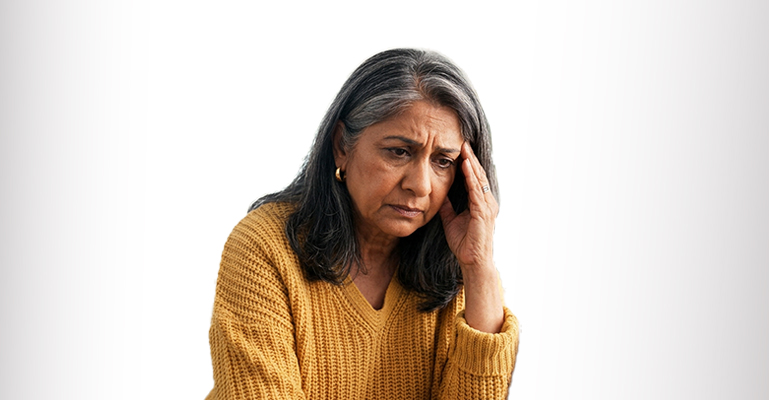
Menopause is not a disease. It's a natural transition every woman moves through, yet for many, the journey feels anything but natural. Hot flashes at midnight, unexplained mood swings, restless sleep… your body is changing, and it deserves understanding and care. Ayurveda, the ancient science of life, has guided women through this transition for thousands of years, gently, holistically, and without fear.
What Is Menopause?
Menopause is the natural end of a woman's menstrual cycle, typically occurring between the ages of 45 and 55. It's officially confirmed when a woman has gone 12 consecutive months without a period. The phase leading up to it, called perimenopause, can begin years earlier and is usually when most symptoms start showing up.
In Ayurveda, this life stage is called Rajonivrutti, literally meaning "the cessation of menstruation." Rather than treating it as a deficiency, Ayurveda sees it as a natural transition from the Pitta-dominant phase of life into the Vata-dominant phase. This shift brings its own wisdom, and managing it well is simply a matter of restoring balance.
Common Menopause Symptoms to Know
Every woman's experience is unique. Some breeze through it; others find their daily life significantly affected. The most commonly reported menopause symptoms include:
- Hot flashes and night sweats
- Irregular or absent periods
- Disturbed sleep and insomnia
- Mood swings and anxiety
- Vaginal dryness
- Low energy and fatigue
- Joint pain and stiffness
- Memory fog or difficulty concentrating
- Weight gain, especially around the abdomen
- Reduced libido
These symptoms can overlap, intensify during times of stress, or come and go unpredictably. Understanding what's happening in your body, and why, is the first step to finding relief.
How Ayurveda Understands Menopause
In Ayurveda, your body is governed by three vital energies, Vata ), Pitta), and Kapha ). During menopause, there's a natural rise in Vata and a winding down of Pitta, which explains much of what women experience.
Vata imbalance shows up as dryness, anxiety, insomnia, joint pain, and irregular symptoms that seem to come and go without warning.
Pitta imbalance shows up as hot flashes, night sweats, irritability, skin flushing, and heavy bleeding in the perimenopause phase.
Kapha imbalance shows up as weight gain, sluggishness, fluid retention, mild depression, and a persistent feeling of heaviness.
Understanding your dominant dosha imbalance helps personalize the approach. Many women experience a mix of all three, and that's perfectly normal. A qualified Ayurvedic practitioner can help identify your specific pattern and create a tailored plan.
"Ayurveda doesn't treat menopause as something to be fixed, it treats it as a threshold. A passage into a wiser, quieter, and deeply powerful phase of a woman's life."
Ayurvedic Herbs and Remedies for Menopause Relief
Ayurvedic treatment for menopause draws on a rich tradition of herbal medicine, each plant chosen not just for its properties but for its deep affinity to the female body. Here are some of the most trusted herbs used in Ayurvedic treatment for menopause:
Shatavari (Asparagus racemosus) - The queen of women's herbs. Shatavari nourishes the reproductive tissues, helps balance hormones naturally, reduces hot flashes, and supports emotional stability during the transition. It is the cornerstone of most Ayurvedic protocols for menopause.
Ashwagandha (Withania somnifera) - A powerful adaptogen that eases stress, combats fatigue, improves sleep quality, and builds resilience during hormonal change. It works beautifully for women who feel emotionally overwhelmed or physically drained.
Lodhra (Symplocos racemosa) - Known for its affinity to female hormones, Lodhra helps regulate cycles during perimenopause and reduces symptoms like heavy flow and mood disturbances.
Brahmi (Bacopa monnieri) - Addresses brain fog, memory lapses, and anxiety, among the most common but undertalked menopause symptoms. A true nervine tonic that brings clarity and calmness.
Yashtimadhu (Licorice Root) - Has mild phytoestrogenic properties. It eases vaginal dryness, soothes irritability, and supports adrenal health, making it one of the most effective menopause natural remedies for Pitta-dominant women.
Triphala - A classic Ayurvedic formulation for gut health, detoxification, and metabolic balance, essential for managing menopausal weight changes and keeping the digestive system functioning well.
These herbs are best taken under professional guidance, as formulations and doses vary depending on your constitution, age, and the stage of menopause you're in.
Lifestyle Practices for Managing Menopause Naturally
Herbs are only one piece of the puzzle. In Ayurveda, dinacharya (daily routine) is considered one of the most powerful tools for managing menopause naturally. A grounded, nourishing routine helps anchor Vata and cool aggravated Pitta.
Abhyanga (Warm Oil Self-Massage) - A daily warm oil massage, ideally with sesame or coconut oil, calms the nervous system, reduces dryness, soothes joint pain, and promotes deep, restful sleep. Even 10 minutes before a bath makes a difference.
Yoga and Pranayama - Gentle restorative yoga and cooling breathwork like Sheetali pranayama are particularly effective for menopause relief from hot flashes and emotional turbulence. Avoid intense heating practices during peak flare-ups.
Consistent Sleep Schedule - Being in bed by 10 PM aligns with your body's natural rhythms. Vata energy peaks in the late night; a consistent bedtime keeps it from spiraling into anxiety and insomnia.
Meditation and Stress Care - Even 10 minutes of stillness daily can reduce cortisol, ease anxiety, and soften the emotional intensity that often accompanies menopause. Yoga Nidra is particularly effective for women experiencing hormonal mood shifts.
Reducing Stimulants - Coffee, alcohol, and very spicy foods aggravate Pitta and significantly worsen hot flashes and irritability. Reducing these alone can bring noticeable menopause relief within days.
Walking in Nature - A slow, mindful morning walk grounds Vata energy, supports bone health, and uplifts the mood. Simple, free, and deeply effective.
What to Eat During Menopause, Ayurvedic Dietary Tips
Food is medicine in Ayurveda, and during menopause, what you eat can either stoke the fire or soothe it.
Favour: Warm, cooked, moist foods like soups, khichdi, well-cooked vegetables, and healthy fats like ghee. These pacify Vata dryness and nourish the tissues. Include natural sources of phytoestrogens like flaxseeds and sesame in moderate amounts. Herbal teas made with fennel, coriander, and rose water are particularly cooling and supportive.
Avoid: Cold, raw, and dry foods; think of iced drinks, crackers, and cold salads, that worsen Vata. Also avoid overly spicy, fermented, or pungent foods that escalate Pitta and trigger hot flashes.
These simple food shifts are among the most accessible menopause natural remedies you can begin at home, starting today.
When Should You See a Doctor?
While Ayurveda offers profound support for managing menopause naturally, some symptoms during this transition warrant medical evaluation. Please consult a doctor if you experience very heavy or prolonged bleeding, chest pain or palpitations, severe depression or thoughts of self-harm, extreme unexplained fatigue or sudden weight changes, or frequent bone pain and fractures.
Ayurveda and modern medicine are not opposites. They work beautifully together when needed, and a good integrative approach honors both.
Frequently Asked Questions
Can Ayurvedic treatment for menopause eliminate symptoms completely?
Ayurveda aims to restore balance rather than simply suppress symptoms. Many women experience significant relief and an improved quality of life. Results vary based on constitution, lifestyle consistency, and the stage of menopause.
How long before I see results with Ayurvedic herbs for menopause?
Most women notice a difference within 4–8 weeks of consistent use, combined with dietary and lifestyle changes. Deeper imbalances may take 3–6 months to fully settle.
Can Ayurveda help with menopause-related weight gain?
Yes. A Kapha-pacifying diet, digestive herbs like Triphala, and a regular movement practice can effectively address the metabolic shifts that contribute to weight gain during menopause.
A Final Word
Menopause is not the end of anything. It is the beginning of a phase where a woman's wisdom is at its fullest. In many traditional cultures, postmenopausal women held the highest positions of respect and counsel, and Ayurveda honors this completely.
Institutions like Vaidyaratnam Oushadhasala have long preserved and practiced these time-tested approaches, reflecting how deeply rooted this wisdom is in real, lived traditions rather than modern trends.
Whether you start with one herb, one lifestyle habit, or simply a warm cup of Shatavari milk at night, every small act of care you offer your body during this transition is a step toward managing menopause naturally, with grace and confidence.