 Consultation
now
Consultation
now



-
Arishtas & Asavaas
-
Wellness
-
Food Supplements
-
Choornam
-
Combo Pack








My Cart (0)




Natural Ayurvedic Remedies for Chronic Ulcers and Slow Healing Wounds
18 December 2025
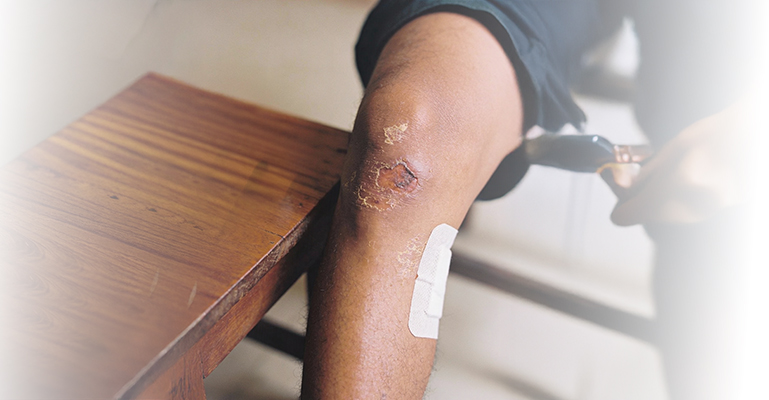
A wound is a break in the normal structure of the skin or deeper tissues, caused by injury, pressure, infection or inflammation. While most wounds heal on their own with basic care, some may take unusually long to recover. These are called chronic wounds or slow healing wounds. One frequently searched topic related to such concerns is Ayurvedic wound healing remedies, and Ayurveda offers an approach that focuses on cleansing, internal balance and overall wellness.
Understanding the nature of wounds and ulcers is essential before exploring natural remedies.
What is a Wound?
A wound is any disruption to the skin or tissues beneath it. This can occur through cuts, pressure, burns, infections, or circulatory issues. When the healing process is delayed or interrupted, the wound may remain open for weeks or even months, causing discomfort and increased risk of infection.
The reasons behind slow healing can include poor circulation, weak immunity, repeated irritation to the area, improper hygiene, or internal imbalance. Ayurveda refers to such persistent wounds as “Dushta Vrana” and describes detailed methods for cleansing and supporting natural recovery.
Common Types of Ulcers
Several types of ulcers are often seen in day-to-day situations. These include:
- Venous Leg Ulcers
These occur when the veins in the legs do not circulate blood efficiently. The skin becomes inflamed and breaks down, creating an ulcer that heals slowly.
- Pressure Ulcers (Bed Sores)
These are commonly seen in people who are bedridden or immobile for long periods. Continuous pressure on one spot causes tissue damage and ulcer formation.
- Arterial or Ischemic Ulcers
These develop due to reduced blood flow through the arteries. The affected area may lack oxygen and nutrients needed for skin repair.
- Diabetic Foot Ulcers
Although we cannot directly name diseases due to FSSAI medical claim restrictions, Ayurveda often recognizes ulcers formed due to long-term metabolic imbalance and reduced skin sensitivity.
Ayurvedic View on Wound Healing
Ayurveda describes wounds based on their nature, cause and stage of healing. The approach typically includes:
- Gentle cleansing of the wound
- Reducing local irritation
- Balancing internal factors
- Supporting the body’s natural repair mechanisms
- Encouraging healthy tissue growth
Ayurvedic remedies focus on both external wound care and internal wellness.
Ayurvedic Remedies for Chronic Ulcers and Slow Healing Wounds
Below are classical Ayurvedic suggestions used traditionally for wound cleansing and healing support. These are general recommendations and should be followed only under the guidance of an Ayurvedic practitioner.
1. TriphalaChurnam (For Wound Cleansing)
Triphala is a well-known Ayurvedic herbal blend used for cleansing and detoxifying. For wound care, a decoction made from Triphala Churnam is often used to gently wash the affected area. It helps keep the wound clean and supports natural healing by maintaining hygiene.
How to Use: Prepare a mild decoction with warm water and Triphala powder. Let it cool and use it to wash the wound area once or twice a day.
2. KaisoraGulgulu (For Internal Balancing)
Kaisora Gulgulu is a classical formulation used to support internal purification and balance. It is traditionally recommended when chronic ulcers are associated with excess heat, swelling or internal imbalance.
Benefits According to Ayurveda:
- Helps maintain normal blood purity
- Supports the body’s natural cleansing processes
- Helps reduce internal irritation
- Promotes tissue wellness
This classical decoction is used to help reduce internal water retention and support circulation. Healthy circulation is essential for proper healing of chronic wounds.
Used traditionally for wounds that show signs of long-term irritation. It helps support easy digestion and supports overall wellness, which indirectly contributes to healing.
Dietary Suggestions for Better Healing
Diet plays a vital role in skin repair and tissue regeneration.
Foods to Include
- Fresh cooked vegetables such as gourds, carrots, spinach
- Warm soups and broths
- Moong dal (light on digestion)
- Ghee in small amounts to support nourishment
- Turmeric in cooking for its natural cleansing properties
- Adequate water intake for hydration
Foods to Avoid
- Deep fried and oily foods
- Heavy, stale or packaged items
- Excessively spicy or sour food
- Cold foods straight from the refrigerator
- Refined sugar and junk food
Hygiene and Lifestyle Tips
Good hygiene and daily care form the base of healthy wound recovery.
- Clean the wound every day using herbal decoction like Triphala
- Keep the area dry and protected with breathable dressing
- Avoid scratching or rubbing the affected area
- Elevate the legs if the ulcer is on the lower limb
- Maintain mild physical activity to support circulation
- Avoid smoking and alcohol as they slow healing
- Wear comfortable cotton clothing around the wound
The Ayurvedic Approach: Gentle, Consistent and Holistic
Ayurveda does not focus only on the wound. It focuses on the person as a whole. Classical wound healing involves both external measures like cleansing and dressing, and internal support through herbal formulations and diet corrections.
Remedies like Triphala Churnam for washing, Kaishora Gulgulu for supporting internal purification, along with Punarnavadi Kashayam and Thikthakam Kashayam, create a complete healing ecosystem when followed consistently.
Conclusion
Chronic ulcers and slow healing wounds require patience and proper care. Ayurveda offers natural methods that focus on cleansing the wound, restoring internal balance and supporting overall wellness. With the right combination of hygiene practices, herbal formulations and dietary discipline, the body can regain its ability to heal naturally.
As more people search for safe and natural solutions, interest in Ayurvedic treatment for wounds continues to grow. When practiced with guidance, these time-tested remedies can offer meaningful support to the body’s healing journey and contribute to long-term skin wellness.