 Consultation
now
Consultation
now



-
Arishtas & Asavaas
-
Wellness
-
Food Supplements
-
Choornam
-
Combo Pack








My Cart (0)



Pelvic Inflammatory Disease (PID) - An Ayurvedic Perspective
05 May 2026
Introduction
Pelvic Inflammatory Disease, commonly known as PID, is something many women silently suffer through, often without knowing what is happening inside their body. It's an infection of the female reproductive organs, usually involving the uterus, fallopian tubes, and sometimes the ovaries.
In Ayurveda, this condition is closely understood through concepts like Yonivyapad (disorders of the female genital tract) and imbalance of Pitta and Vata doshas. This blog walks you through PID in a simple, humanised way, what causes it, how to recognise it, and most importantly, how Ayurveda approaches its management holistically.
What Exactly Is PID?
PID is an infection that travels upward from the vagina or cervix into the deeper reproductive organs. It is most commonly caused by sexually transmitted bacteria, though other types of bacterial infections can also trigger it. Left unaddressed, PID can lead to chronic pelvic pain, fertility issues, or even life-threatening complications like a ruptured abscess.
From an Ayurvedic standpoint, PID is seen as a condition rooted in weakened immunity (Ojas), aggravated Pitta (causing inflammation and heat), and disrupted Vata (causing pain and abnormal secretions). Unhealthy lifestyle, poor diet, and emotional stress all contribute to this imbalance.
PID most closely corresponds to Pittaja Yonivyapad (inflammation-dominant uterine disorder) in classical Ayurvedic texts. Features include burning sensation, yellowish discharge, fever, and pain, all classic Pitta manifestations.
Common Causes of PID
Understanding what leads to PID helps us prevent it. Modern medicine and Ayurveda both agree that multiple factors come into play, it is rarely just one thing.
From a biomedical perspective, PID is most often triggered by sexually transmitted infections like chlamydia or gonorrhoea, bacterial vaginosis left untreated, post-abortion or post-delivery infections, use of an intrauterine device (IUD), or frequent douching that disturbs vaginal flora.
From an Ayurvedic lens, the root causes run deeper, Pitta aggravation from spicy, oily, or fermented foods; suppression of natural urges (Vega dharana); emotional grief, anger, or chronic stress; excessive physical exertion during menstruation; and poor hygiene with irregular eating habits.
In Ayurveda, the body's channels (Srotasas), particularly the Artava vaha srotas (reproductive channels), become blocked or vitiated, allowing pathogens to flourish. This is why Ayurveda places enormous emphasis on lifestyle regulation, not just treating the active infection.
Recognising the Symptoms
PID can be tricky because symptoms vary widely, some women experience intense pain, while others barely notice anything until the condition has progressed. Here's what to watch for.
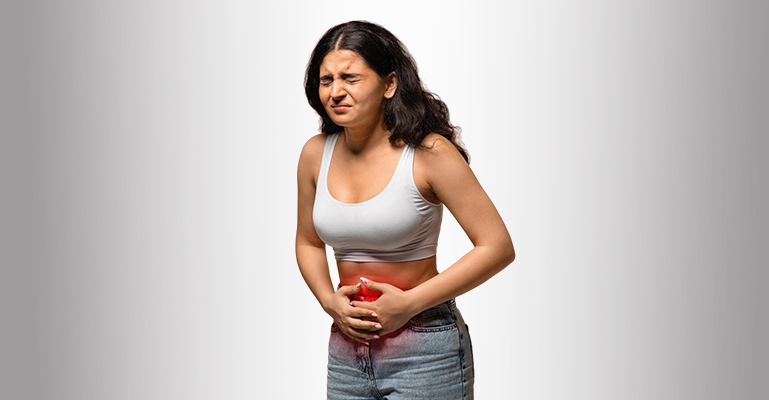
Common physical signs include lower abdominal pain, painful intercourse, irregular or heavy periods, painful urination, low-grade fever, and nausea or fatigue. Abnormal discharge is another key indicator, yellowish or greenish discharge, foul-smelling leucorrhoea, or a noticeable increase in discharge volume.
Ayurvedic Management of PID
Ayurveda does not treat PID in isolation. The approach is always to restore the individual's doshic balance, strengthen immunity, cleanse the reproductive channels, and address the emotional and dietary roots.
Dietary Modifications (Ahara Chikitsa)
Food is the first medicine in Ayurveda. For PID management, the diet must pacify Pitta and support Ojas. Cooling foods like cucumber, coconut, and pomegranate are encouraged, along with light grains such as rice, barley, and moong dal, bitter vegetables like bitter gourd and drumstick, warm turmeric milk before bed, and plenty of plain warm water.
Foods to avoid include very spicy, sour, and fermented foods, red meat, processed foods, alcohol, excessive caffeine, day sleeping, heavy meals at night, and cold refrigerated food and drinks.
Ayurveda Therapies
For chronic or recurrent PID, Ayurveda recommends specific procedures under the guidance of a qualified Vaidya. Uttara Basti in particular is well-regarded for clearing infections in the reproductive tract, reducing adhesions, and improving fertility outcomes in women affected by PID.
Lifestyle and Behavioral Guidance (Vihara)
Ayurveda insists that disease management is incomplete without addressing how a person lives. For PID recovery, practitioners typically advise maintaining strict menstrual hygiene using clean breathable cotton, avoiding excessive physical activity during and just after menstruation, practising gentle yogalike Pranayama especially Nadi Shodhana to calm the nervous system, and sleeping before 10 pm while waking before sunrise to align with natural rhythms.
Frequently Asked Questions
Can Ayurveda cure PID completely?
Ayurveda offers a deeply effective approach to managing PID, especially in chronic or recurrent cases. However, acute or severe PID with high fever, abscess formation, or risk to the fallopian tubes requires immediate conventional medical treatment. Ayurveda works best alongside or after acute antibiotic management for long-term healing and prevention of recurrence.
Is PID related to infertility?
Yes. Repeated episodes of untreated PID can cause scarring in the fallopian tubes, increasing the risk of infertility and ectopic pregnancy. This is precisely why early and thorough management, including Ayurvedic support, is so important.
Can yoga help with PID?
Absolutely. Gentle, restorative yoga postures that open the hips and pelvis improve blood circulation to the reproductive organs, reduce inflammation, and lower stress hormones that can worsen PID. Avoid intense core workouts or inversions during active infection.
Important: This blog is for educational purposes only. If you suspect you have PID, especially with severe pain, high fever, or unusual discharge, please seek immediate medical attention.
Healing from the Root
PID is not just a physical infection, it is often a reflection of deeper imbalances in diet, lifestyle, emotions, and immunity. Ayurveda's gift is that it looks at the whole person, not just the pathology.
With the right herbal support, a Pitta-pacifying diet, gentle ayurvedic therapies, and consistent lifestyle changes, many women have fully recovered from PID and gone on to lead healthy, fertile lives. The journey may take patience, but the results, when approached holistically, are deep and lasting.
Talk to a qualified Ayurvedic practitioner to design a treatment plan that is right for your unique constitution and condition. When it comes to choosing medicines, sourcing classical formulations from institutions that follow authentic preparation methods matters, preparations made according to traditional Ashtavaidya standards, as upheld by establishments like Vaidyaratnam Oushadhasala, carry the full therapeutic value that classical Ayurvedic texts intended. Vaidyaratnam Oushadhasala, rooted in the Kerala Ashtavaidya tradition, has been preparing classical Ayurvedic formulations for generations, a lineage that continues to anchor the authenticity of Kerala's herbal medicine heritage.