 Consultation
now
Consultation
now



-
Arishtas & Asavaas
-
Wellness
-
Food Supplements
-
Choornam
-
Combo Pack








My Cart (0)




Psoriasis - Understanding the Condition and Its Ayurvedic Approach
22 April 2026
Psoriasis is not just a skin issue, it’s a condition that can quietly affect confidence, comfort, and daily life. If you’ve been dealing with recurring patches, itching, or flaking skin, you already know how frustrating it can be.
The encouraging part is this: with the right understanding and a balanced approach, especially through Ayurveda, psoriasis can be managed in a more natural and sustainable way.
This blog walks you through psoriasis in simple terms and explores how Ayurveda approaches it gently and holistically.
What is Psoriasis?
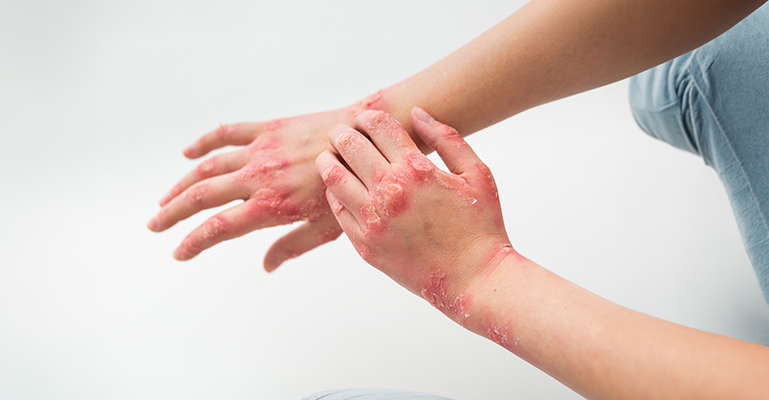
Psoriasis is a long-term skin condition where the body produces skin cells too quickly. Instead of shedding normally, these cells build on the surface, forming thick, dry, and scaly patches.
Common Signs:
- Red patches with silvery scales
- Dry, cracked skin
- Itching or burning sensation
- Flare-ups followed by calmer phases
It’s important to remember psoriasis is not contagious.
Why Does Psoriasis Occur?
Psoriasis is linked to the immune system. The body mistakenly speeds up skin cell production, leading to visible symptoms.
Common Triggers:
- Emotional stress
- Irregular diet
- Climate changes
- Infections
- Certain medications
- Lifestyle habits like smoking or alcohol
Each person may have different triggers, so identifying yours is key.
Types of Psoriasis
Psoriasis doesn’t look the same for everyone. Some common forms include:
- Plaque Psoriasis – Thick, raised patches (most common)
- Guttate Psoriasis – Small drop-like spots
- Inverse Psoriasis – Appears in folds like underarms
- Pustular Psoriasis – White pus-filled bumps
- Erythrodermic Psoriasis – Rare and more severe
The Emotional Impact
Psoriasis often goes beyond physical discomfort. Visible skin changes can lead to:
- Low confidence
- Social anxiety
- Emotional stress
That’s why managing psoriasis isn’t just about treating the skin, it’s about supporting overall well-being.
Ayurvedic Understanding of Psoriasis
In Ayurveda, psoriasis is associated with “Kushtha” (skin disorders).
It is believed to occur due to imbalance in the three doshas:
- Vata – dryness and scaling
- Pitta – redness and inflammation
- Kapha – thickness and buildup
Root Causes in Ayurveda:
- Toxin accumulation (Ama)
- Weak digestion
- Poor food combinations
- Mental stress
Ayurveda focuses on correcting these internal imbalances rather than only treating external symptoms.
Ayurvedic Approach to Managing Psoriasis
Ayurveda takes a whole-body approach, working on detoxification, diet, lifestyle, and external care.
1. Detoxification (Shodhana)
Cleansing therapies help remove toxins from the body.
Common methods:
- Panchakarma treatments
- Therapeutic purgation (Virechana)
- Blood purification approaches
These are usually done under professional supervision.
2. Herbal Support
Natural herbs are used to calm inflammation and support skin health.
Commonly used herbs include:
- Neem
- Turmeric
- Manjistha
They work gradually, supporting healing from within.
3. Diet (Ahara)
Food plays a central role in Ayurveda.
Avoid:
- Oily and spicy foods
- Processed and junk food
- Excess dairy (in some cases)
- Alcohol
Include:
- Fresh fruits and vegetables
- Whole grains
- Light, easily digestible meals
- Bitter and detoxifying foods
A clean diet helps reduce flare-ups.
4. Lifestyle (Vihara)
Simple daily habits can support long-term improvement.
- Maintain regular sleep
- Practice yoga or meditation
- Manage stress
- Stay hydrated
- Get moderate sunlight
Consistency matters more than perfection.
5. External Care
Ayurveda also emphasizes topical care using herbal oils and formulations to soothe the skin.
In traditional practice, medicated oils are often used to reduce dryness, scaling, and irritation. One such classical formulation is Brihath Danthapala Thailam, which is commonly applied externally in certain Ayurvedic routines for scaly skin conditions. Rather than acting as a quick fix, such oils are typically used as part of a broader, consistent care approach that includes diet and internal balance. The proper guidelines by an ayurvedic practitioner helps to manage the condition well.
Benefits of the Ayurvedic Approach
People often turn to Ayurveda because it offers:
- A holistic healing process
- Focus on root causes
- Natural remedies with minimal side effects
- Long-term lifestyle balance
However, Ayurveda is gradually working. It requires patience and consistency.
A Simple Daily Routine
Morning:
- Drink warm water
- Light stretching or breathing exercises
- Eat a simple breakfast
During the Day:
- Stay hydrated
- Eat balanced meals
- Avoid stress triggers
Evening:
- Gentle relaxation
- Light dinner
- Proper sleep
Small steps daily can make a meaningful difference.
Common Myths About Psoriasis
Myth: It spreads from person to person
→ Not true.
Myth: It’s only a skin issue
→ It involves the immune system.
Myth: Nothing helps
→ It can be managed effectively.
Myth: Natural methods don’t work
→ When followed properly, they can support long-term improvement.
FAQs
1. Can psoriasis be cured completely?
It is usually managed rather than permanently cured, but symptoms can be significantly reduced.
2. How long does Ayurvedic treatment take?
It varies, but consistent improvement often takes weeks to months.
3. Is diet really important?
Yes, diet plays a major role in controlling flare-ups.
4. Can I combine Ayurveda with modern medicine?
Yes, but always consult qualified practitioners before combining treatments.
Final Thoughts
Psoriasis can be challenging, but it is manageable with the right approach and mindset. Understanding your triggers, taking care of your diet, and adopting a balanced lifestyle can go a long way.
Ayurveda offers a thoughtful, gentle path, focusing not just on the skin, but on overall harmony within the body.
Traditional formulations and practices, including those developed by institutions like Vaidyaratnam Oushadhasala, reflect a long-standing approach to managing chronic conditions through balance and consistency rather than quick fixes.
In the end, managing psoriasis is about patience, awareness, and steady care, inside and out.