 Consultation
now
Consultation
now



-
Arishtas & Asavaas
-
Wellness
-
Food Supplements
-
Choornam
-
Combo Pack








My Cart (0)




Ramadan 2026 Nutrition Guide: Foods to Choose and Foods to Avoid Before the Daily Fast
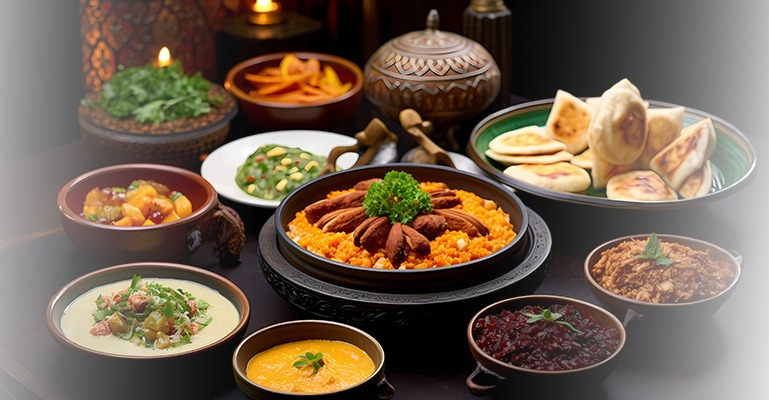
27 February 2026
Ramadan is one of the most spiritually significant months in the Islamic calendar - a time of prayer, reflection, gratitude, and deep self-discipline. But as deeply spiritual as this month is, it is also deeply physical. Your body goes through a significant shift when you fast from dawn to dusk, and what you eat during the non-fasting hours can either support you beautifully or leave you exhausted, bloated, and running empty.
Here's the thing: this is where Ayurveda quietly steps in as your most trusted guide.
Ayurveda, the ancient Indian science of life, has always understood fasting not just as abstinence from food, but as a powerful tool to reset the digestive system, purify the body, and sharpen the mind. When we align Ayurvedic food wisdom with the structure of Ramadan, the results can be truly transformative - not just spiritually, but physically too.
This guide is crafted for anyone who wants to make the most of Ramadan 2026 - whether you're fasting for the first time or looking to approach it more mindfully than ever before.
Understanding the Real Benefits of Fast in Ramadan
Before we talk about food, let's talk about why fasting works the way it does.
The benefits of fast in Ramadan go far beyond religious observance. From a health perspective, fasting gives your digestive system a long-overdue rest. When you stop consuming food for 12 to 16 hours, your body shifts into a state where it begins to repair itself - clearing damaged cells, stabilizing blood sugar, reducing inflammation, and even improving mental clarity.
In Ayurveda, this process is called Ama reduction - the clearing of undigested toxins that accumulate in the body due to irregular eating, heavy foods, and chronic stress. Ramadan, when done right, is one of the most natural detox processes available to us.
The benefits of fast in Ramadan also include improved insulin sensitivity, reduced cholesterol levels, better gut health, emotional clarity, heightened spiritual awareness, and natural weight management when paired with a smart diet.
But here's what most people miss - the fasting period itself isn't where you can control much. The real game is played at Suhoor (the pre-dawn meal) and Iftar (the meal to break the fast). These two windows are where your nutrition choices will make or break your Ramadan experience.
Ayurvedic Principles to Apply This Ramadan
Ayurveda teaches that food is medicine - but only when it's the right food, at the right time, in the right quantity. During Ramadan, this wisdom becomes especially powerful.
Three core principles to keep in mind: First, eat according to your Agni (digestive fire) - after a long fast, your digestive fire is in a fragile state, and bombarding it with fried or heavy food is like pouring cold water on a warm flame. Second, prioritize Ojas-building foods - soaked nuts, warm milk, ghee, dates, and whole grains are exactly what your body needs after hours of fasting. And third, stay hydrated between Iftar and Suhoor - warm water, herbal teas, and hydrating foods help pacify Vata dosha, which tends to aggravate during fasting due to dryness and depletion.
Suhoor Guide: What to Eat Before the Fast Begins
Suhoor is arguably the most important meal of Ramadan. It's your body's last source of fuel before a long, demanding day. Skipping it - or eating the wrong things - sets you up for fatigue, hunger pangs, and poor concentration.
A thoughtful Ramadan diet plan for Suhoor should focus on slow-digesting, sustaining foods that release energy gradually throughout the day.
Best Foods for Suhoor (Ayurveda-Approved)
Complex Carbohydrates: Oats, brown rice, whole wheat flatbread (roti), and quinoa digest slowly and keep blood sugar stable for longer. These are the backbone of any best diet for Ramadan approach.
Protein-Rich Foods: Eggs, lentils (dal), Greek yogurt, and paneer are excellent Suhoor choices. Protein slows digestion and keeps you feeling fuller for longer.
Healthy Fats: A teaspoon of ghee, a handful of soaked almonds, or some avocado provides sustained energy and nourishes the nervous system.
Dates: In Ayurveda, dates are considered a supreme energy food - rich in natural sugars, fiber, potassium, and magnesium. Having 2-3 dates at Suhoor is a sunnah practice that is also deeply Ayurvedic.
Hydrating Foods: Cucumber, watermelon, and yogurt-based drinks help your body stay hydrated through the fast.
A Note on Men's Energy During Ramadan
For men who maintain an active lifestyle or workout routine even during Ramadan, Suhoor becomes even more critical. This is where a supplement like Vigorvolt Tablet can be a meaningful addition to your pre-dawn routine. Formulated with Ashwagandha, Kapikachu (Mucuna pruriens), Musali, and amino acids like L-Arginine and L-Citrulline, Vigorvolt is designed to support stamina,hormone balance, and sustained physical energy in men - exactly what you need to power through a day of fasting without feeling drained. Taking 2 tablets with your Suhoor meal, as directed, helps you start the day with vitality rather than just calories.
Foods to Avoid at Suhoor
Salty and processed foods cause dehydration. Sugary cereals and pastries spike blood sugar and lead to energy crashes. Fried or heavy foods slow digestion and cause lethargy. Caffeinated drinks like coffee and strong tea are diuretics that increase water loss - leaving you parched by midday.
Iftar Guide: How to Break Your Fast the Right Way
When the call to prayer sounds and it's time to break the fast, the instinct for many is to eat everything in sight. This is completely understandable - but it can seriously backfire.
Your stomach has been emptied for hours. Your digestive enzymes are low. Your stomach lining is sensitive. This is not the time to overwhelm your system with a feast.
The Ayurvedic approach - and interestingly, the traditional Prophetic approach - is to begin gently.
Ideal Ramadan Iftar Food Sequence (Ayurvedic Order)
Step 1 - Dates and Water: Start with 2-3 dates and a glass of warm water. Dates provide an immediate but gentle glucose boost, while warm water activates your digestive enzymes without shocking your system.
Step 2 - Light Soup or Broth: A warm lentil soup, vegetable broth, or bone broth is ideal ramadan iftar food to wake up digestion gently. In Ayurveda, warm liquids are always the first step in rekindling Agni after fasting.
Step 3 - Prayer Break: Use the time between the initial breaking of fast and the main meal to allow your body to shift gears. This is not just spiritually meaningful - it's physiologically smart.
Step 4 - Main Meal: A balanced, nourishing plate with complex carbohydrates, lean protein, healthy fats, and plenty of cooked vegetables is the ideal close to Iftar.
Managing Acidity and Bloating at Iftar
One of the most common complaints during Ramadan? Acidity, heartburn, and bloating after Iftar. After hours of fasting, the stomach is highly sensitive. When you break the fast with large, spicy, or fried meals, the stomach acid spikes - and the discomfort that follows can really derail the evening.
This is where Gasnope Tablet can be a gentle, natural companion. Gasnope is a sugar-free herbal chewable tablet formulated with Yashti Madhu (licorice root), Jeeraka (cumin), and pharmaceutical-grade Calcium Carbonate. It works by neutralizing excess stomach acid, soothing the stomach lining, and reducing post-meal bloating - all in a convenient, tasty, chewable form. Keeping a strip of Gasnope handy during Iftar is a thoughtful, Natural way to protect your digestive comfort throughout the month. It's rated 4.8 out of 5 by over 83 users - and for good reason.
Healthy Iftar Recipes to Try This Ramadan
- Spiced Red Lentil Soup (Masoor Dal Shorba) A warming, protein-rich soup with cumin, turmeric, and ginger. Turmeric is anti-inflammatory; ginger rekindles Agni. One of the most healthy iftar recipes you can make, and it takes under 20 minutes.
- Harira (Moroccan Tomato and Chickpea Soup) A traditional Ramadan staple packed with plant protein, fiber, and warming spices. Perfect as the first real food after breaking the fast.
- Dates and Walnut Energy Balls Blend Medjool dates, walnuts, a pinch of cardamom, and rolled oats. Roll into small balls. These are Ojas-building, energy-sustaining, and require zero cooking - perfect for Suhoor or as a light Iftar starter.
- Grilled Chicken with Turmeric Brown Rice A clean, complete meal - lean protein, complex carbs, and anti-inflammatory spices. Part of any well-planned Ramadan nutrition plan.
Ramadan Diet Plan for Weight Loss: Eating Smart Through the Month
Many people enter Ramadan hoping to manage their weight, and with the right approach, this is entirely possible. The Ramadan diet plan for weight loss isn't about eating less - it's about eating smarter.
A simple framework: Suhoor should include complex carbs, protein, healthy fats, and hydration. Iftar should begin with dates and water, followed by warm soup, a prayer break, and then a balanced plate. Between Iftar and Suhoor, drink 2–3 glasses of water per hour and stick to light snacks like fruits and nuts if needed. Avoid deep-fried snacks, sweetened drinks, heavy desserts, and overeating in Iftar.
The benefits of fast in Ramadan for weight management are most fully realized when Iftar is not treated as a compensation meal.
Stress, Sleep, and Mental Clarity During Ramadan
Ramadan isn't only physically demanding - it can be mentally and emotionally intense too. Late-night prayers, early morning Suhoor, reduced sleep, and heightened spiritual engagement all add up. Many people find their stress levels elevated and their sleep quality affected, especially in the first two weeks.
When the nervous system is under stress, digestion suffers, energy dips, and even spiritual focus becomes harder to maintain.
This is where Ashwagandha Gummies offer thoughtful daily support. Each gummy contains Ashwagandha root extract (Withania somnifera), standardized to 2.5% withanolides. Ashwagandha is one of the most celebrated Rasayana herbs, known for its ability to help the body adapt to stress, support cognitive clarity, improve sleep quality, and promote emotional balance. Taking 1 gummy in the morning with Suhoor and 1 in the evening with Iftar fits beautifully into the Ramadan routine. It's a small, delicious ritual that supports your inner calm throughout the month that asks a lot of you - mind, body, and soul.
Ramadan Food to Absolutely Limit
Across cultures, Ramadan tables are often filled with beloved traditions - many of which, unfortunately, are not kind to the body when eaten in excess. Samosas, pakoras, and deep-fried snacks are high in trans fats and hard on a fasted gut. Sugary drinks spike insulin and dehydrate you further. White bread and refined carbs give short-lived energy followed by a harsh crash. Excess salt increases thirst and water retention. Heavy biryanis loaded with ghee and red meat taste wonderful but can overwhelm a digestive system that has been resting for 14+ hours.
This doesn't mean you can never enjoy these foods - but in terms of a smart food to eat during Ramadan fasting approach, they belong at the edge of the table, not the center.
Your Ayurvedic Ramadan Wellness Toolkit
When you bring together the right nutrition choices and the right supportive supplements, Ramadan can become one of the most nourishing months of your year - not just spiritually, but physically too.
Here's a simple way to think about your Ayurvedic Ramadan toolkit:
At Suhoor: Nourishing whole foods + Vigorvolt Tablet for men's stamina and energy + Ashwagandha Gummies for stress resilience and mental clarity
At Iftar: Gentle, sequential eating + Gasnope Tablet for acidity and digestive comfort after the fast
Each of these is crafted by Vaidyaratnam - one of India's most trusted brands, based in Kerala. These aren't shortcuts. They're thoughtful companions that support what your body is already trying to do during Ramadan.
Final Thoughts: Nourish the Fast, Honor the Spirit
Ramadan is a month of profound discipline and devotion. But that discipline doesn't end when the fast breaks - it extends to how you nourish your body during the hours you are permitted to eat.
The benefits of fast in Ramadan are fully realized when the eating windows are treated with the same intention as the fasting windows. Ayurveda reminds us that true health is not just about what we avoid - it's about what we choose, and why.
This Ramadan 2026, let food be your medicine. Let your plate be a reflection of your intention. And let every Suhoor and Iftar be an act of gratitude - for the food, for the body that receives it, and for the sacred month that frames it all.