 Consultation
now
Consultation
now



-
Arishtas & Asavaas
-
Wellness
-
Food Supplements
-
Choornam
-
Combo Pack








My Cart (0)




Understanding the Keto Diet: How to Start, Key Advantages, and Major Drawbacks
13 March 2026
If you have been anywhere near the health and wellness space in the last decade, you have almost certainly come across the term "keto diet." People swear by it for rapid weight loss, sustained energy, and sharper mental focus. Others warn about its restrictive nature and potential health risks. So, what is the truth?
In this guide, we break down everything you need to know about the ketogenic diet, from how it works and how to start, to its real benefits and honest drawbacks. And because our perspective is rooted in Ayurveda, we will also explore what ancient Indian wisdom has to say about this modern dietary trend.
What Is the Keto Diet?
The ketogenic diet, commonly called the keto diet, is a high-fat, very low-carbohydrate eating plan designed to shift your body's primary fuel source from glucose (sugar) to fat. When you drastically reduce carbohydrate intake and replace it with fat, your body enters a metabolic state called ketosis.
In ketosis, your liver begins converting stored fat into molecules called ketones, which then serve as an efficient energy source for the brain and body. This is quite different from the way most of us typically eat, where carbohydrates are the dominant fuel.
Standard macronutrient breakdown of a ketogenic diet:
- Fat: 70–80% of daily calories
- Protein: 15–20% of daily calories
- Carbohydrates: 5–10% (typically under 20–50 grams per day)
How Does the Keto Diet Work?
To understand how keto diet works, think of your body as a hybrid car that can run on two types of fuel, glucose and fat. Most people run almost entirely on glucose because their diet is rich in bread, rice, pasta, and sweets. The moment you restrict carbohydrates significantly, glucose reserves in the liver (stored as glycogen) are depleted within a day or two.
Your body then signals the liver to ramp up fat breakdown and ketone production. This metabolic switch typically takes anywhere from two to seven days, during which you may experience what is commonly known as the "keto flu", a short period of fatigue, headaches, and irritability as your body adapts.
Once adapted, many people report feeling more energetic, mentally clear, and less dependent on frequent meals, because fat is a far more stable energy source than sugar.
Keto Diet for Beginners: How to Start
Starting the keto diet can feel overwhelming at first but breaking it into clear steps makes it manageable.
Step 1 — Know Your Numbers
Calculate your daily carbohydrate limit. For most people, staying under 20–30 grams of net carbs per day is a sweet spot to achieve and maintain ketosis. Use a macro-tracking app in the beginning to understand how different foods affect your carb intake.
Step 2 — Build Your Keto Diet Foods List
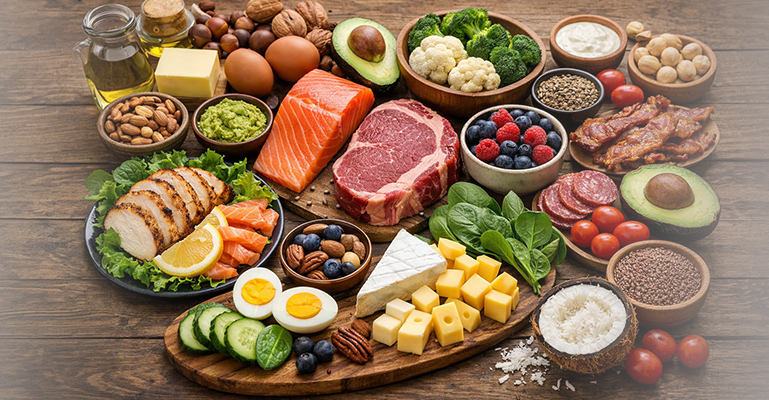
Stock your kitchen with keto-friendly foods. A practical keto diet foods list includes:
- Healthy fats: ghee, coconut oil, olive oil, avocado
- Proteins: eggs, fatty fish (salmon, mackerel), chicken, paneer
- Non-starchy vegetables: spinach, cauliflower, broccoli, zucchini, kale
- Nuts and seeds: almonds, walnuts, chia seeds, flaxseeds
- Dairy (full fat): butter, heavy cream, cheese
- Beverages: water, black coffee, herbal teas
Foods to avoid include all grains (rice, wheat, oats), most fruits, sugar, legumes, and starchy vegetables like potatoes and corn.
Step 3 — Plan Your Meals in Advance
A well-structured keto diet plan removes the guesswork. Meal prepping helps you avoid reaching for convenient but carb-heavy snacks when hunger strikes. A simple one-day keto diet plan might look like this:
- Breakfast: Scrambled eggs cooked in ghee with sautéed spinach
- Lunch: Grilled salmon with a side of roasted cauliflower and avocado salad
- Dinner: Chicken stir-fried in coconut oil with broccoli and zucchini
- Snacks: A handful of almonds or a slice of paneer with cucumber
Step 4 — Stay Hydrated and Replenish Electrolytes
When carbohydrate intake drops, the kidneys excrete more water and electrolytes. Make sure to drink enough water and replenish sodium, potassium, and magnesium through food or supplementation. This single step prevents most of the early discomfort associated with starting keto.
Step 5 — Support Your Digestion During the Transition
One aspect beginners often overlook is the impact the keto transition has on the digestive system. A sudden shift to a high-fat, low-fibre diet can trigger constipation, bloating, or acidity, especially in the first couple of weeks. This is where targeted digestive support becomes valuable.
If you experience sluggish bowel movements or irregularity during the early keto phase, Clearvos, a natural, sugar-free laxative formulated with Triphala, Swarnapatri, and Yashtimadhu, can gently encourage regularity without harsh chemical laxatives. Its mango-flavoured, gentle formula is ideal for evening use and fits well into a keto lifestyle since it is completely sugar-free.
Similarly, if the increased dietary fat triggers heartburn, bloating, or acid discomfort, which is not uncommon for those newly adapted to keto, Gasnope Tablet offers a herbal, chewable antacid solution. Formulated with Yashti Madhu (licorice root), Jeeraka (cumin), and pharmaceutical-grade Calcium Carbonate, it quickly neutralises excess stomach acid and soothes the gut lining. Being sugar-free and conveniently portable, it is a practical companion for anyone managing significant dietary changes.
Key Benefits of the Keto Diet
When done thoughtfully, the keto diet offers a range of meaningful health advantages. Here are some of the most well-researched keto diet benefits:
1. Effective Weight Loss
Keto diet for weight loss is perhaps its most popular application. By switching the body to fat-burning mode, reducing insulin levels, and curbing appetite naturally, most people experience noticeable fat loss, especially around the abdomen. Some studies show faster initial weight loss on keto compared to low-fat diets, though long-term results depend on sustainability.
2. Stabilised Blood Sugar and Insulin Levels
Since the keto diet eliminates most sugars and refined carbs, blood glucose levels become more stable throughout the day. This makes it particularly beneficial for individuals with Type 2 diabetes or insulin resistance and is an area of active clinical research.
3. Improved Mental Clarity and Focus
Ketones are incredibly efficient brain fuel. Many people on a ketogenic diet report experiencing improved concentration, reduced brain fog, and steadier mental energy throughout the day. However, stress, poor sleep, and mental fatigue can quickly offset these gains, which is where adaptogenic support plays a meaningful role.
Ashwagandha Gummies are a delicious, convenient way to complement the cognitive benefits of keto. Each gummy contains Ashwagandha root extract (Withania somnifera) standardised to 2.5% withanolides, supporting stress relief, mental clarity, and emotional balance. For someone navigating the initial stress of a new dietary regime, adding these to your daily routine is a thoughtful and natural choice.
4. Reduced Inflammation
A diet low in processed sugars and refined carbohydrates naturally reduces the inflammatory load on the body. Chronic low-grade inflammation is linked to a host of modern diseases, and the keto diet's anti-inflammatory effects are one reason it continues to attract interest from researchers worldwide.
5. Sustained Energy and Physical Stamina
Once your body is keto-adapted, fat becomes a remarkably stable fuel source, far more so than glucose, which causes energy peaks and crashes throughout the day. For men in particular, optimising energy, stamina, and physical performance is often a central goal of adopting the ketogenic lifestyle.
Vigorvolt Tablet is a natural supplement designed to complement this goal. Formulated with a potent blend of Ashwagandha, Kapikachu (Mucuna pruriens), Musali etc.Vigorvolt supports healthy hormonal balance and endurance. For men following keto and engaging in regular exercise, it provides a well-rounded natural foundation for sustained vitality.
Major Drawbacks and Keto Diet Side Effects
No dietary approach is without its challenges. Being honest about the keto diet disadvantages is essential, especially before committing to such a significant lifestyle change.
1. The Keto Flu
As mentioned earlier, the transition into ketosis can cause a cluster of keto diet side effects including fatigue, headache, irritability, nausea, and poor concentration. These usually resolve within a week, but they can be discouraging to beginners who are not expecting them. Staying well-hydrated, replenishing electrolytes, and using gentle digestive support, like Clearvos for regularity and Gasnope for acidity, can ease the transition significantly.
2. Difficult to Sustain Long-Term
The keto diet is highly restrictive. Eliminating grains, most fruits, legumes, and sugar from daily life can be socially isolated and mentally exhausting over time. Many people find it difficult to maintain during social events, family meals, or travel, leading to a cycle of starting and stopping.
3. Nutritional Deficiencies
Cutting out entire food groups increases the risk of missing important nutrients. Without careful planning, keto followers may be low in fiber, magnesium, potassium, B vitamins, and certain antioxidants found abundantly in fruits, legumes, and whole grains.
4. Digestive Issues
Low fiber intake on keto can lead to constipation and other digestive discomforts. Some people also experience bloating or diarrhea, particularly when transitioning to a diet high in fat and low in the fibrous plant foods that support gut health. Using a trusted natural laxative like Clearvos and an herbal antacid like Gasnope during the adaptation phase can make a meaningful difference in comfort and consistency.
5. Not Suitable for Everyone
Keto is not recommended for people with pancreatitis, liver disease, fat metabolism disorders, or certain thyroid conditions. Pregnant or breastfeeding women and individuals on blood sugar medications should only consider it under close medical supervision.
The Keto Diet from an Ayurvedic Perspective
This is where it gets particularly interesting. When we examine the ayurvedic keto diet concept, we find both intriguing parallels and important cautions.
Ayurveda, the 5,000-year-old Indian science of life, views food not merely as fuel, but as medicine. According to Ayurvedic principles, the ideal diet is personalized based on one's Prakriti (individual constitution) and the balance of the three doshas, Vata, Pitta, and Kapha.
Where Keto and Ayurveda Align
Ayurveda has long championed the use of healthy fats, particularly cow’s ghee, as a cornerstone of nourishment, which aligns beautifully with the high-fat foundation of keto. In fact, ghee is described in classical Ayurvedic texts as one of the most beneficial foods for the body and mind, supporting digestion, lubrication of tissues, and cognitive function.
Both approaches also discourage processed sugars, refined carbohydrates, and excessive sweet tastes, which Ayurveda associates with aggravating Kapha dosha, a state linked to weight gain, sluggishness, and fluid retention.
Where Ayurveda Would Caution
From an Ayurveda keto diet standpoint, one major concern is the elimination of warm, cooked grains and legumes, foods that Ayurveda considers deeply grounding and easy to digest, particularly for Vata-dominant individuals. The absence of these foods may increase Vata (the air-space energy), leading to anxiety, dryness, irregular digestion, and disturbed sleep.
Ayurveda also emphasizes the six tastes (Shad Rasa), sweet, sour, salty, pungent, bitter, and astringent, and recommends including all six in every meal for complete nutritional and energetic balance. The keto diet, with its heavy reliance on fat and protein, can easily under-represent the sweet and astringent tastes, potentially creating imbalance over time.
Finally, Ayurveda stresses Agni, the digestive fire, as the centerpiece of health. A sudden, drastic dietary shift like going to keto can temporarily disrupt Agni, especially if not done gradually and mindfully.
A Balanced Approach: Ayurvedic Keto
The good news is that an Ayurvedic adaptation of keto is entirely possible. By incorporating warming spices (turmeric, ginger, cumin), emphasizing ghee over processed oils, including diverse non-starchy vegetables for fiber and micronutrients, and personalizing the plan based on your dosha, you can experience the metabolic benefits of keto while staying true to Ayurvedic wisdom.
Final Thoughts
The keto diet is a powerful metabolic tool. When applied thoughtfully, it can support meaningful weight loss, better blood sugar control, and improved mental clarity. But it is not a one-size-fits-all solution, and its long-term sustainability requires honest self-assessment, proper planning, and ideally, professional guidance.
From an Ayurvedic lens, the most effective diet is one that supports your unique constitution, keeps your digestive fire strong, and nourishes you across all six tastes. Whether you choose to follow a full ketogenic diet or adapt it with Ayurvedic principles, supporting your body through the transition with the right tools makes all the difference.
That is precisely why trusted Ayurvedic supplements can be such valuable companions on this journey. Clearvos keeps your digestion moving smoothly; Gasnope Tablet tackles the acidity and bloating that often accompany dietary changes; Ashwagandha Gummies help manage the stress, sleep disruptions, and mental fatigue that can come with major lifestyle shifts; and Vigorvolt Tablet supports the stamina, vitality, and energy that every man needs to stay consistent and active on a demanding regimen like keto. All four of these products are crafted by Vaidyaratnam Oushadhasala, one of Kerala's most respected and centuries-old institutions.
The key is always the same, listen to your body, eat mindfully, and approach health as a lifelong journey rather than a quick fix. If you are considering the keto diet, take it one step at a time, seek guidance from a qualified Ayurvedic practitioner, and build a wellness routine that truly supports you from the inside out.