 Consultation
now
Consultation
now



-
Arishtas & Asavaas
-
Wellness
-
Food Supplements
-
Choornam
-
Combo Pack








My Cart (0)




Virechana: Ayurveda's Ancient Way of Cleansing from Within
28 April 2026
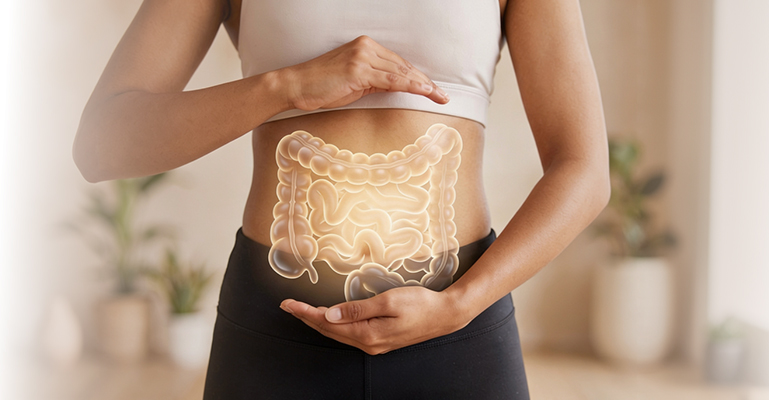
If your body were a house, Virechana is the deep clean that gets into every corner, not just a surface sweep. It's one of Ayurveda's most time-honored therapies, and it's been quietly doing its work for over 3,000 years.
Most people, at some point, feel it, that sluggish, heavy, stuck feeling that a good night's sleep just doesn't fix. Ayurveda has a name for what's happening: a imbalance of Pitta dosha, and accumulation of ama, building up in the digestive system and beyond.
Virechana is one of the five core Panchakarma therapies specifically designed to address this. It works through medicated purgation, a structured, supervised process of clearing excess from the body's channels. And no, it's nothing like popping a laxative. It's a whole therapeutic journey.
What Exactly Is Virechana?
The word "Virechana" comes from Sanskrit, meaning "purging" or "cleansing." In Ayurvedic texts like the Charaka Samhita, it's described as the most direct and effective way to expel aggravated Pitta dosha from the body, particularly from the liver, gallbladder, small intestine, and blood.
But Virechana is not random purging. It's a carefully planned, physician-guided therapy with a specific preparation phase, a treatment day, and a recovery period. Each stage matters. Each stage serves a purpose.
Virechana is the procedure, in which orally administered drugs act on internally situated doshas,especially pitta dosa and expels them out of the body through anal route.
The Three Doshas, and Why Pitta Is the Focus
Ayurveda sees the body through three bio-energies, or doshas: Vata (air and space, movement, breath, nerve impulses), Pitta (fire and water, digestion, heat, transformation), and Kapha (earth and water, structure, lubrication, stability).
When Pitta accumulates beyond its healthy range, from stress, spicy food, excessive heat, suppressed emotions, or irregular eating, it shows up as skin issues, acid reflux, irritability, inflammatory condition.
Virechana is Pitta's antidote. It creates a clear, downward pathway for this excess fire to leave the body, restoring balance from the inside.
What Formulations Are Typically Used?
The formulations that can be suggested are Avipathi choornam,Hridyavirechanam Leham,Gandharvahastadi Eranda Thailam etc.The formulation suggested by the physician varies according to patient’s disease ,age ,strength etc.
Who Is Virechana Meant For?
Virechana is primarily indicated when Pitta dosha is in excess, but Ayurvedic texts extend its application to a range of conditions. Traditionally, it is recommended for skin disorders like psoriasis, eczema, and chronic acne, conditions often linked in Ayurveda to impurities in the blood.
Important: Virechana is not a self-treatment. It requires proper assessment by a qualified Ayurvedic physician. It is contraindicated during pregnancy.
What Happens After Virechana?
People often describe the days following Virechana as a kind of lightness, physically and emotionally. The heaviness lifts. Digestion often improves noticeably. Skin can begin to clear. Sleep deepens. There's a sense of having genuinely reset something that was stuck.
But this isn't magic, and Ayurveda doesn't promise overnight transformations. The recovery diet is critical. The body's digestive fire, or agni, needs to be carefully relit, starting with the thinnest rice gruel, moving to slightly thicker gruel, then soft khichdi, and gradually returning to your normal diet over five to seven days. This prevents overburdening a system that has just been deeply cleansed.
Post-treatment, a practitioner will usually recommend lifestyle changes, seasonal routines, and specific rasayana (rejuvenating) herbs to maintain what was achieved and prevent re-accumulation.
Frequently Asked Questions
How many days does Virechana therapy take in total?
Including preparation and recovery, a full Virechana course usually takes 10 to 21 days. The main treatment is a single day, but preparation takes 3 to 7 days and recovery takes at least 5 to 7 days.
Is Virechana painful or uncomfortable?
When performed correctly with proper preparation, most people find the process manageable. There can be fatigue and frequent bowel movements on the treatment day, but discomfort is usually mild. Poor preparation or an incorrect dose can make the experience harder, another reason practitioner guidance is essential.
Can Virechana help with weight loss?
Virechana is not a weight-loss therapy in the conventional sense. However, by improving digestive fire and clearing metabolic sluggishness, it can support a healthier metabolism over time. Any weight change should be seen as a side effect of restored balance, not the primary goal.
How is Virechana different from Vamana?
Vamana uses medicated emesis (upward expulsion) and primarily targets Kapha dosha. Virechana uses purgation (downward expulsion) and primarily targets Pitta dosha. They work through opposite directions and on different doshas, though both are part of the Panchakarma family.
Ready to Begin Your Virechana Journey?
Virechana is not something you stumble into; it finds you when you're ready to genuinely listen to your body. Whether you're dealing with a long-standing skin condition, stubborn digestive trouble, or simply that bone-deep sense of accumulated heaviness, this therapy offers a path that has stood the test of millennia.
The most important first step is finding the right medicines and the right guidance. The quality of herbs used in Virechana, from the medicated ghee in preparation to the purgative formulation itself, makes a real difference to both the experience and the outcome. This is where authenticity matters deeply.
If you're looking for classical Ayurvedic formulations you can trust, Vaidyaratnam Oushadhasala is one of the most respected names in traditional Ayurvedic medicine.Their range includes medicated ghees, Choornams, classical Arishtas, kashayams all prepared following authentic textual references. Whether you're preparing for Virechana or rebuilding after it, their formulations are a trusted companion on the journey.
Wherever you are on this path, just curious, actively preparing, or in recovery, remember that Ayurveda's greatest strength is its deeply personal nature. Your Virechana will not look exactly like someone else's, and that's exactly the point. It's tailored to you, your body, your season, and your life.
Take your time. Find a good physician. Trust the process.