 Consultation
now
Consultation
now



-
Arishtas & Asavaas
-
Wellness
-
Food Supplements
-
Choornam
-
Combo Pack








My Cart (0)


What Is Parkinsonism, and How Does Ayurveda Approach Its Treatment?
15 May 2026
What Exactly Is Parkinsonism?
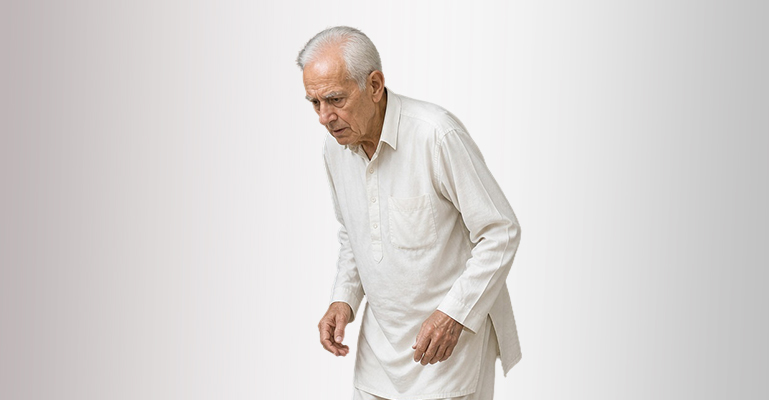
Parkinsonism is a neurological condition marked by tremors, muscle stiffness, slow movement, and balance of problems. In Ayurveda, it closely correlates with Kampavata, an aggravated Vata disorder. Ayurvedic treatment for Parkinsonism focuses on pacifying Vata dosha through herbal formulations, Ayurvedic therapies, and tailored lifestyle practices. It doesn't replace modern medicine but works as a meaningful complementary approach.
Most of us have heard of Parkinson's disease, perhaps through a family member, a public figure, or a conversation at a doctor's clinic. But parkinsonism is a broader term. It refers to a group of neurological conditions that share the same hallmark symptoms as Parkinson's disease: tremors, slow movement (bradykinesia), muscle rigidity, and difficulty with balance and posture.
Parkinson's disease itself is the most common form. But parkinsonism can also arise from other causes, certain medications, exposure to toxins, head injuries, or other neurological diseases. What they all share is a disruption in the brain's dopaminergic system, particularly the loss of dopamine-producing cells in an area called the substantia nigra.
The condition usually progresses slowly. In the early stages, someone might notice a slight tremor in one hand or feel that their handwriting has become smaller and slower. Over time, walking, speaking, and even swallowing can become affected. But with the right care, both modern and traditional, many people manage their symptoms and live well for years.
"Parkinsonism isn't just a physical condition. It touches a person's independence, confidence, and daily rhythm. Ayurveda's approach addresses all of this, not just the tremors."
How Ayurveda Understands Parkinsonism: The Concept of Kampavata
Ayurveda is a 5,000-year-old system of medicine rooted in the Indian subcontinent. It doesn't speak in the language of dopamine or neurons, but it arrived at a strikingly similar understanding through a completely different framework.
In classical Ayurvedic texts, particularly the Charaka Samhita, a condition called Kampavata is described. The word itself tells the story: Kampa means trembling or shaking, and Vata refers to the biological force that governs all movement in the body. When Vata becomes severely aggravated and deranged, it begins to disturb the nervous system, leading to uncontrolled movements, rigidity, and loss of coordination.
Ayurvedic texts mention symptoms of Kampavata that map almost perfectly to what we today call parkinsonism, tremors of the limbs, stiffness, slowness of action, difficulty with speech, and a stooped posture. This isn't a coincidence. It reflects the observational depth of classical Ayurvedic physicians.
The root cause, according to Ayurveda, lies in the drying and depletion of Majja dhatu (nervous tissue) and the vitiation of Prana Vata and Vyana Vata, the two sub-types of Vata that govern brain function and body-wide nerve signaling. When these forces go out of balance, the entire motor system is affected.
Ayurvedic Treatment for Parkinsonism: The Core Approach
The goal of Ayurveda for Parkinsonism is not simply to suppress symptoms. The approach works on three levels simultaneously: correcting the root imbalance, nourishing the depleted tissues, and strengthening the nervous system so the body can better regulate itself.
This is achieved through a combination of internal herbal medicines, external therapies (Panchakarma), and lifestyle adjustments, all tailored to the individual's constitution (Prakriti), the severity of the condition, and the season.
Herbal Medicines Used in Parkinsonism Treatment in Ayurveda
Several classical herbs have proven value in managing Kampavata. Here are the most important ones:
Mucuna Pruriens (Kapikacchu / Atmagupta) The most discussed Ayurvedic herb for Parkinsonism. A natural source of L-DOPA, a direct precursor to dopamine. Classically administered as Kapikachu Choornam, a single-herb powder, mixed with warm milk, typically 5–10 g as directed by a physician. Dose and adjuvant are always individualised.
Ashwagandha (Withania somnifera) A powerful nervine tonic that nourishes nervous tissue, reduces oxidative stress, and calms aggravated Vata. Often combined with milk for deeper tissue absorption.
Brahmi (Bacopa monnieri) Supports cognitive function, memory, and neural communication. Particularly beneficial when Parkinsonism is accompanied by cognitive decline or depression.
Bala (Sida cordifolia) Strengthens muscles and the nervous system.
These herbs are the some of the ingredients that would be present in the formulations suggested for parkinsonism.
The Core of Ayurvedic Treatment for Parkinsonism
If herbs are medicine, Ayurvedic therapies are the delivery system.Ayurvedic therapies ,classical detoxification and rejuvenation program, plays a central role in any serious Ayurvedic treatment protocol for Parkinsonism. It works by clearing accumulated toxins (Ama), pacifying Vata, and deeply nourishing the nervous system.
The specific therapies selected depend on the individual case, but the following are most commonly used:
Basti - Medicated Enema Considered the primary treatment for all Vata disorders in Ayurveda. Both oil-based (Anuvasana) and decoction-based (Niruha) Bastis are used in alternating cycles to directly pacify Vata at its seat in the colon and restore neurological balance.
Shirodhara - Continuous oil stream on the forehead/scalp A deeply calming therapy that soothes the nervous system, reduces anxiety and sleep disturbances, common companions of Parkinsonism, and brings the mind into a parasympathetic state.
Nasya - Nasal administration of medicated oils Oil like Anu taila or suggested medictaed oil is introduced through the nostrils to nourish the brain, strengthen the senses, and pacify Prana Vata directly.
Lifestyle and Diet: The Invisible Treatment
In Ayurveda, medicine alone is never a full story. Diet and daily routine (Dinacharya) are considered as important as any herb or therapy. For someone managing Parkinsonism, the following are especially significant:
Warm, unctuous, nourishing foods. Foods that are warm, moist, and easy to digest help pacify Vata, thin cooked grains, ghee, warm milk with Ashwagandha, and root vegetables. Avoid cold, raw, dry, and processed foods.
Regular sleep and routine. Vata thrives on routine and is worsened by erratic schedules. Consistent wake times, meals, and sleep, preferably before 10 PM, are therapeutic in themselves.
Daily self-massage (Abhyanga). Even a simple 10-minute warm sesame oil self-massage before bathing calms the nervous system and eases morning stiffness.
Gentle movement and Yoga. Slow, grounding yoga postures (not hot or vigorous styles), walking, and Pranayama (especially Anulom Vilom and Brahmari breathing) support motor function and reduce anxiety.
Minimise stress. Psychological stress aggravates Vata. Meditation, time in nature, and meaningful social connection are not optional extras; they are part of the treatment.
Frequently Asked Questions
Can Ayurveda be used alongside conventional Parkinson's medication?
Yes, and this is actually the most common and practical approach. Most patients continue their prescribed medications (like Levodopa) while using Ayurvedic therapies to manage side effects, reduce progression, and improve quality of life. It is essential to inform both your neurologist and Ayurvedic physician about all treatments being taken, as some herbs can interact with medications.
How long does Ayurvedic treatment take to show results?
It varies by individual, disease stage, and consistency of treatment. Many patients notice improvements in sleep, stiffness, and energy within 4 to 6 weeks of starting a structured protocol. Significant changes in motor symptoms may take 3 to 6 months of sustained care.
Is Kapikacchu (Mucuna pruriens) safe to take on its own?
Mucuna pruriens is indeed a valuable herb with naturally occurring L-DOPA, but it should never be self-administered as a substitute for prescribed medication. Its dosage, form (raw powder, standardised extract, ghee preparation), and timing must be guided by a qualified Ayurvedic physician, especially when taken alongside Levodopa drugs, as the combination can significantly affect dopamine levels.
Where can one receive authentic Ayurvedic treatment for Parkinsonism in India?
Kerala has a particularly strong tradition of classical Panchakarma and is often recommended for intensive in-patient programs. Established Ayurvedic hospitals and research institutions, including government Ayurvedic colleges and accredited private hospitals, offer structured Kampavata treatment programs. It is important to choose centres with qualified BAMS or MD (Ayu) physicians, not just wellness spas.
A Final Word: Ayurveda Is a Partner, Not a Miracle
Living with Parkinsonism is genuinely challenging, not just for the person diagnosed, but for everyone who loves them. Ayurveda for Parkinsonism does not promise a cure. No honest system of medicine does. What it offers is something equally valuable: a comprehensive, personalised approach that treats the whole person, not just the symptoms.
The classical understanding of Kampavata, the intelligence of herbs like Kapikacchu and Ashwagandha, the depth of Panchakarma therapies, these are not relics. They are living tools, refined over centuries, that continue to offer real benefit when applied with skill and patience.
If you or someone you care for is exploring Ayurvedic treatment for Parkinsonism, the most important first step is to find a qualified Ayurvedic physician, one who can assess your specific condition, work alongside your existing care team, and create a protocol that truly fits your life. When it comes to sourcing classical formulations, it also matters that you choose medicines from manufacturers who follow authentic preparation methods. Institutions like Vaidyaratnam Oushadhasala, rooted in Kerala's classical Ayurvedic tradition, are examples of where the integrity of the preparation process has been maintained across generations, something that matters a great deal when treating a condition as delicate as Kampavata.
"Ayurveda's greatest gift to Parkinsonism care is not one herb or one therapy. It is the reminder that the body has an inherent intelligence, and that with the right support, it can be coaxed back toward balance."